
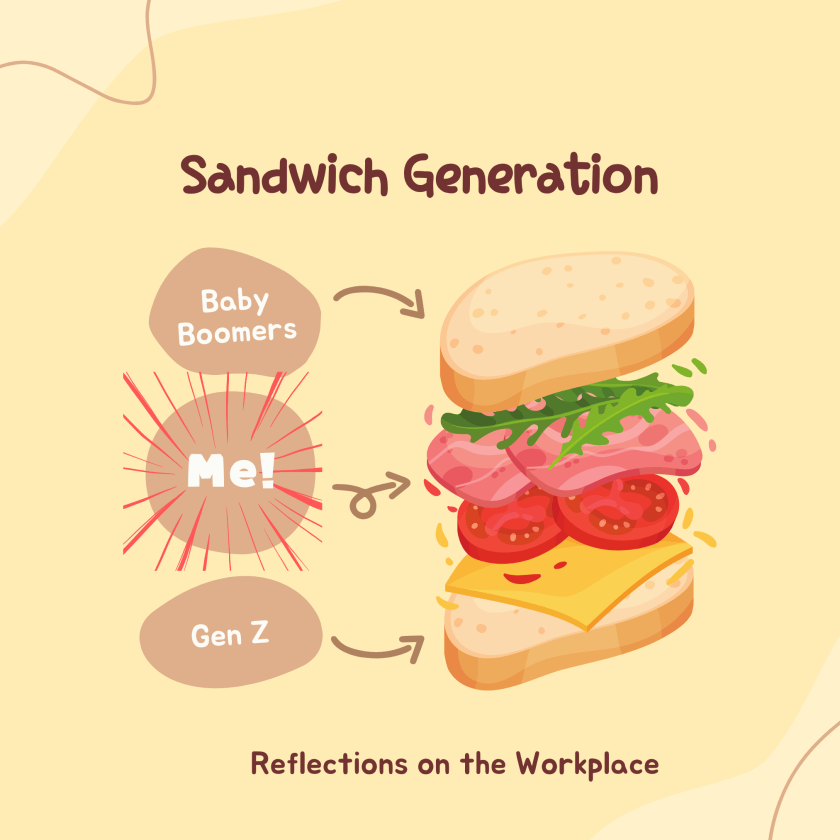
在職場上接觸到的人彼此間年齡差距很大,最老的到民國40年次、次老的也有民國49年次,而辦公室偏年輕的則是民國85年次甚至更年輕的同事。
In the workplace, I encounter people of vastly different ages. The oldest were born around 1951, while the younger colleagues were born as recently as 1996, or even later.
夾在中間的我同時理解雙邊的想法,所以感到痛苦。
Being caught in the middle, I understand the perspectives of both sides, which causes me some distress.
我知道長輩們認知的職場工作態度應該是如何才是「正確」、「正常」;我也明白比我年輕的世代對於公司根本無所謂「向心力」和「忠誠度」,他們對於事情的認知只在於「有做」,不在於「做得完善」。
I know what the older generation considers the “correct" and “normal" work attitude. I also understand that the younger generation lacks a sense of loyalty to the company. They believe that merely doing their job is enough, without striving for perfection.
這兩方中間根本無調和地帶,雙方認知的差距如同他們的年齡差距,至少有40多年。
There is no common ground between these two perspectives. The gap in understanding is as wide as the 40-year age difference.
長輩們會對我說他們的價值觀,晚輩們則是準時上下班、其餘與我無關。
The seniors often share their values with me, while the younger ones stick to their work hours and nothing else concerns them.
這些都造成我情緒上很大的負擔。
This discrepancy puts a significant emotional burden on me.
因為我第一份工作就是已經經營半世紀的傳產,同事幾乎都是50年次左右,在那樣的環境耳濡目染之下,我很能理解那世代對於員工的期待是什麼,簡而言之就是日本人說的「社畜」,能把個人擺後頭,事事都以公司為先的價值觀。
My first job was in a traditional industry that had been operating for half a century, with colleagues mostly born around 1961. In that environment, I was heavily influenced by their expectations of employees, essentially the Japanese concept of being a “corporate slave," where personal needs are secondary to the company’s priorities.
這種價值觀在現代幾乎天方夜譚,尤其不是業績掛帥的公司,甚至是類似公務機關的公司,可能有8成以上的員工心態都是「有領到薪水就好」。少數員工才會時時想著怎麼精進自己的業務,而這種個性積極、能力又佳的員工,在不久的將來便會跳槽到待遇更好的公司。
Such a mindset is almost unheard of today. In companies that are not performance-driven, or those similar to government agencies, over 80% of the employees simply think, “It’s enough to receive a salary." Only a few are motivated to improve their work, and these proactive, capable employees often move to better-paying companies.
於是職場上最常見的就會是消極、做事不到位,甚至還總是認為公司欠自己,抱怨連連卻又死不離開的難用員工。
Thus, the workplace is typically filled with passive employees who do not do their jobs well and constantly complain about the company yet refuse to leave.
曾經以為這樣的狀況是我的職場獨有的問題,一定是我們公司待遇不夠好到讓大家想要積極付出。但不管是聽前公司的同事分享,還是現在公司的同事分享他所知道的狀況,都讓我認為,這就是「社會現象」。這是現下的社會現象,不是長輩們對著晚輩們搖旗吶喊、大聲疾呼就會改變的事情。
I used to think this was a unique problem in my workplace, caused by inadequate compensation. However, hearing from former and current colleagues about their experiences, I realized this is a “social phenomenon." It’s a societal issue that cannot be changed by older generations criticizing younger ones.
意識到這是社會集體性的行為,而非獨立性的事件,我突然就放鬆了,可以說放棄了,既然是常態,那麼也只能順勢而行,直到再也無法前行時,勢必會迎來改變的契機。
Recognizing this as a collective behavior rather than an isolated event, I suddenly felt more relaxed, or perhaps resigned. Since it’s a norm, we can only go with the flow until change becomes inevitable.
對於職場最近還有一個體悟,那就是「八卦」也是種能力。
Another recent realization about the workplace is that “gossip" is also a skill.
我從小就是八卦絕緣體,對八卦沒興趣,自然也不會有八卦入我耳,學生時代這種性格並未對我帶來什麼困擾,我也不認為嗜好八卦的人有什麼厲害之處。
I’ve been immune to gossip since childhood, never interested and never hearing any. This trait didn’t cause any problems during my student days, and I didn’t see anything impressive about those who enjoyed gossip.
但最近認知到,在職場上透過各種聊天獲得資訊是種加分的能力,雖然有8成的資訊大概都無用,但有時就是會掌握到關鍵的資訊,而若能將那資訊適時地提供給有決策權力的人,那就是加分之處了。
Recently, however, I’ve come to understand that gathering information through casual conversations is a valuable skill in the workplace. Although 80% of the information might be useless, sometimes you get critical insights. If you can pass that information to decision-makers at the right time, it becomes an advantage.
不過即使如此,我還是很排斥那些以八卦為糧食的人,那種德性還是令我作嘔的。
Despite this, I still find those who thrive on gossip repulsive. Their behavior disgusts me.
分享最近生活的小破事。
Now, to share some recent minor events in my life.
之前就有聽過因為貓的眼睛不好,如果用黑色的碗會讓貓看清楚食物和水,會增加進食和喝水的頻率。
I had heard that cats, having poor vision, might see food and water more clearly in black bowls, increasing their intake.
最近因為想買多一點貓碗當作替換,於是都買了黑色的,想說試試看效果,結果效果很棒耶!肉眼可見地發現貓貓喝水的次數變多了。
Wanting to buy more cat bowls as spares, I decided to get black ones to test the theory. The result was fantastic! I noticed a significant increase in my cat’s drinking frequency.
原來之前喝比較少水是因為看不清楚水量嗎!?
Could it be that they drank less water before because they couldn’t see it clearly?
總之多喝水是好事,希望明年健康檢查時不要再被醫生說要多喝水了。
In any case, drinking more water is a good thing. I hope the vet won’t tell me to make them drink more at the next health check.

 遲來的啟蒙 Start From Here Now