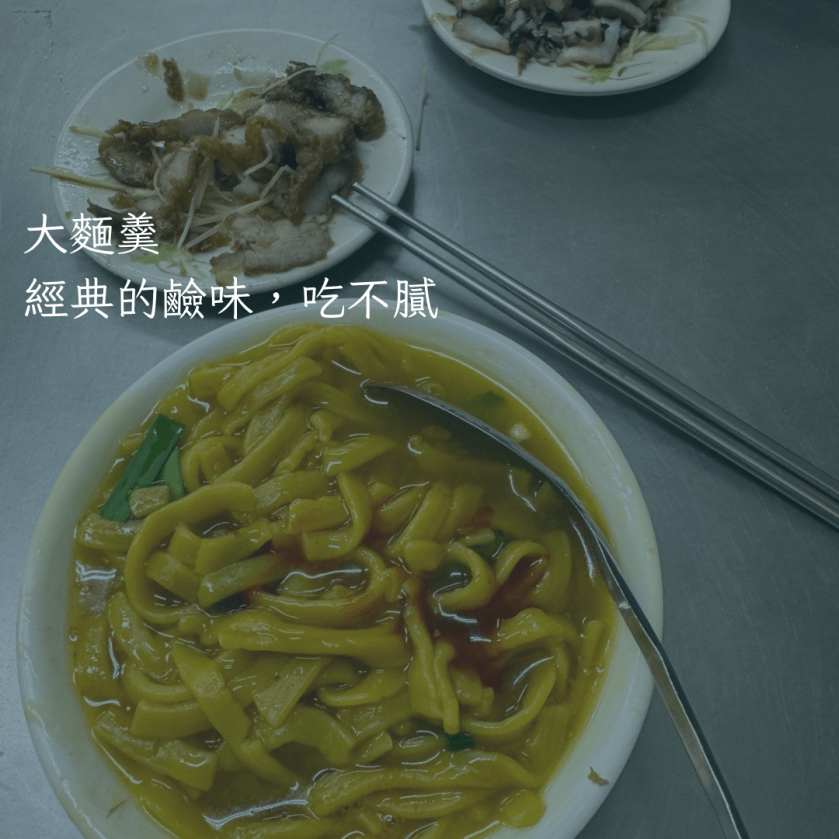
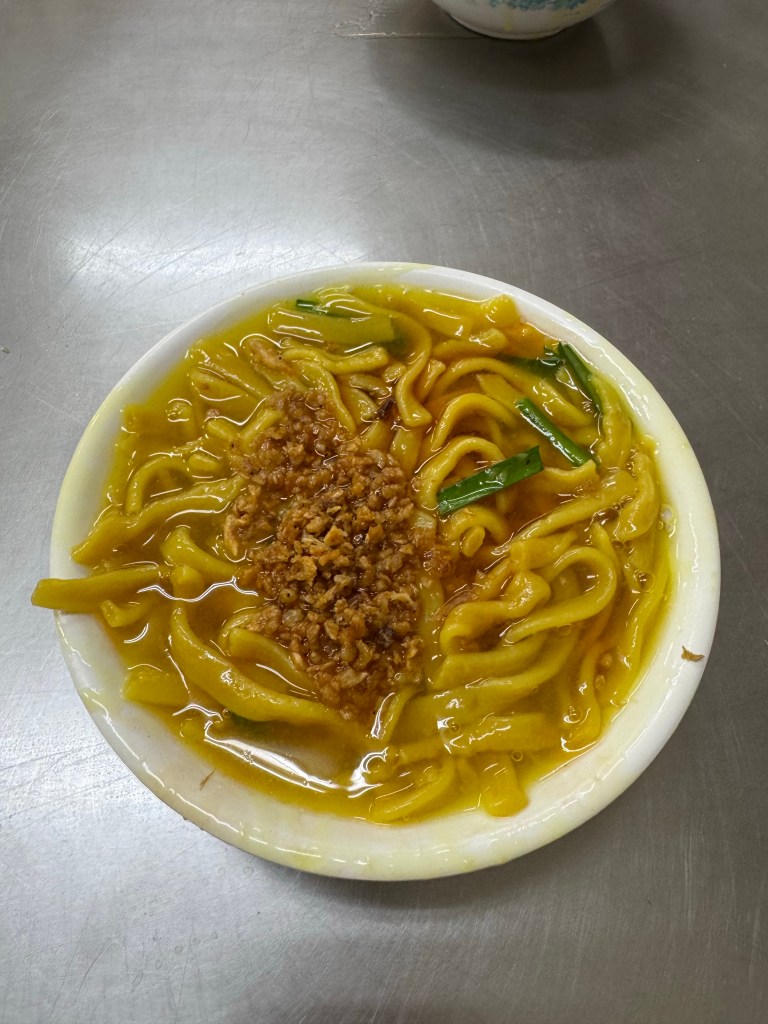
中秋連假特地去吃好久沒吃的台中大麵羮,小時候都是阿嬤買回家吃,以前不覺得稀奇,出社會後偶爾會想起那個獨特的味道,就會特地跑去吃,而且一定要是這一家!
During the Mid-Autumn Festival holiday, I made a special trip to have Taichung Dàmiàngēng (Taichung-style savory soup noodles), which I hadn’t eaten in a long time. When I was little, my grandma always bought it home for us. Back then, it didn’t feel like anything special, but after I started working, I’d occasionally remember that unique taste and make a special trip to get it—and it absolutely had to be from this particular shop!
雖然價格變貴了,小菜好像也縮水了,但味道還是跟我小時候吃到的一樣,感動!
Even though the price is higher now, and the side dishes seem a bit smaller, the flavor remains exactly as I remember from childhood—touchingly familiar!
台中大麵羹
https://maps.app.goo.gl/gqAWyBxYAXE3jGkLA?g_st=ic
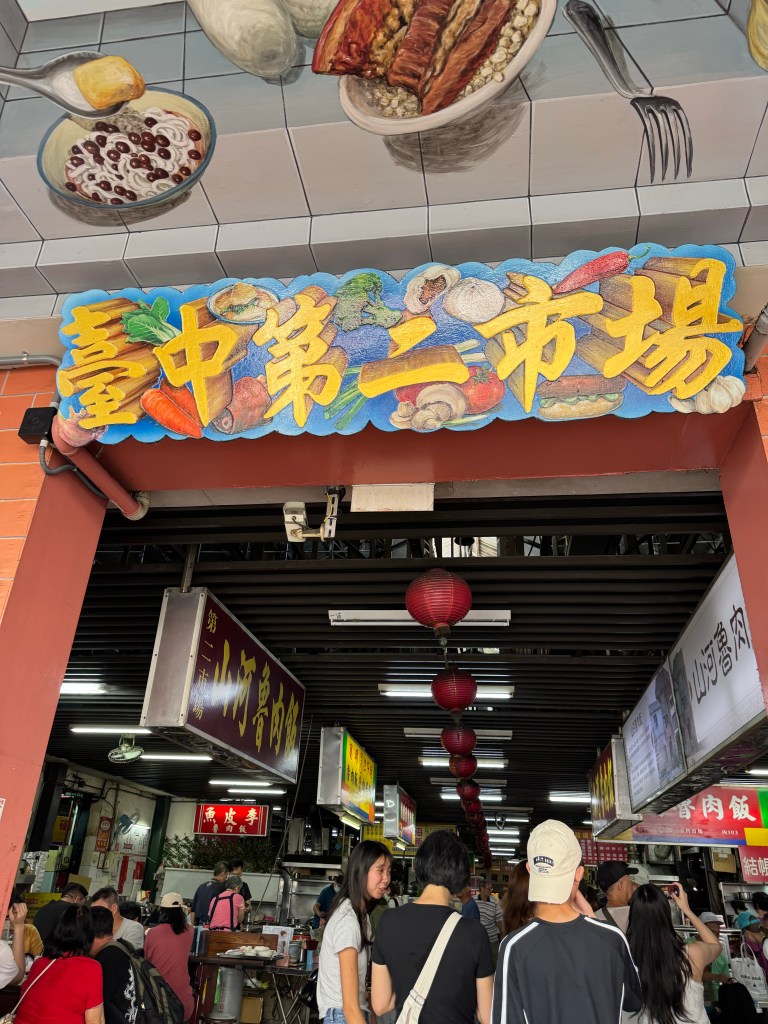
接著去了第二市場逛一逛,主要是覺得自己身為台中人卻從來沒去過第二市場實在是有點誇張。
Next, I wandered over to the Second Market. I mostly felt it was a bit absurd that I’m a Taichung native and had never been there before.
第二市場是日本時代的古蹟,但現在幾乎面目全非了,完全感受不到日本時代被稱為「有錢人的市場」的氛圍,覺得很可惜。如果要以古蹟為賣點,政府應該要花心力維持啊。
The Second Market is a historical site from the Japanese era, but now it’s almost unrecognizable. The atmosphere that once earned it the nickname “the market for the wealthy” is completely gone. What a pity. If it’s meant to be promoted as a heritage site, the government really should put effort into its preservation.
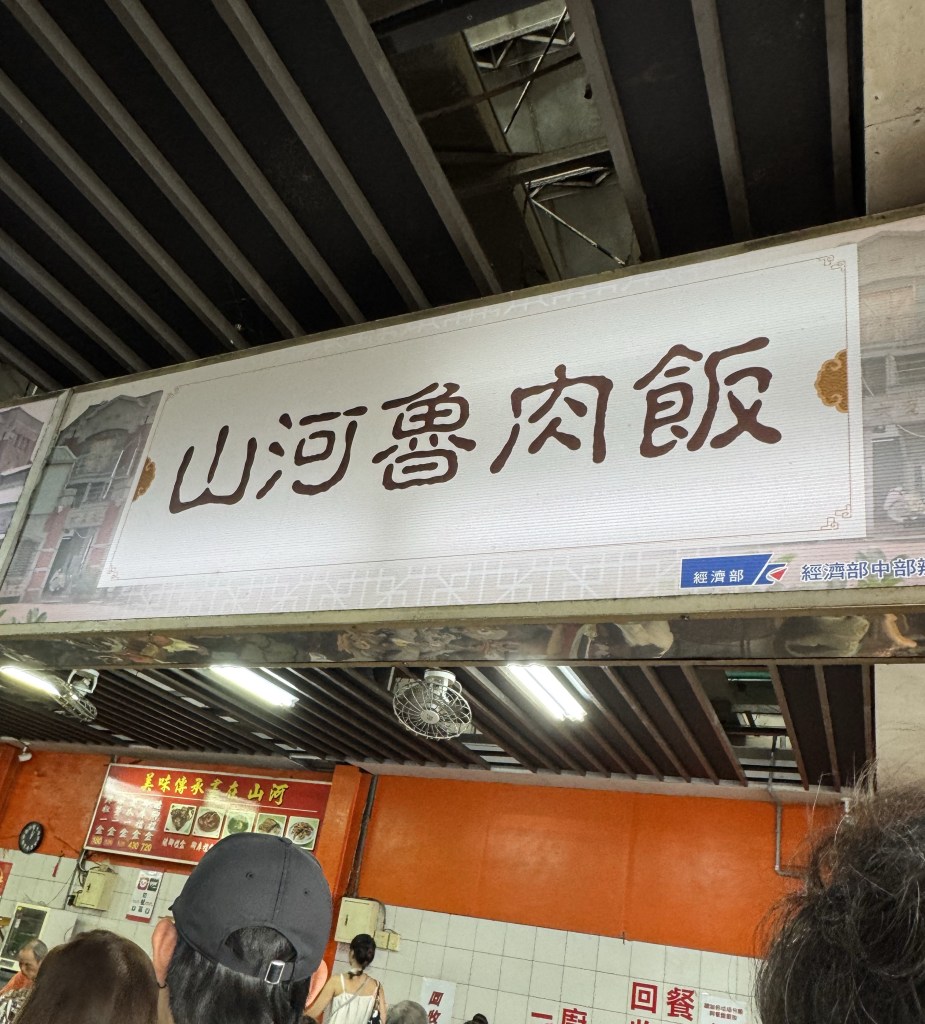
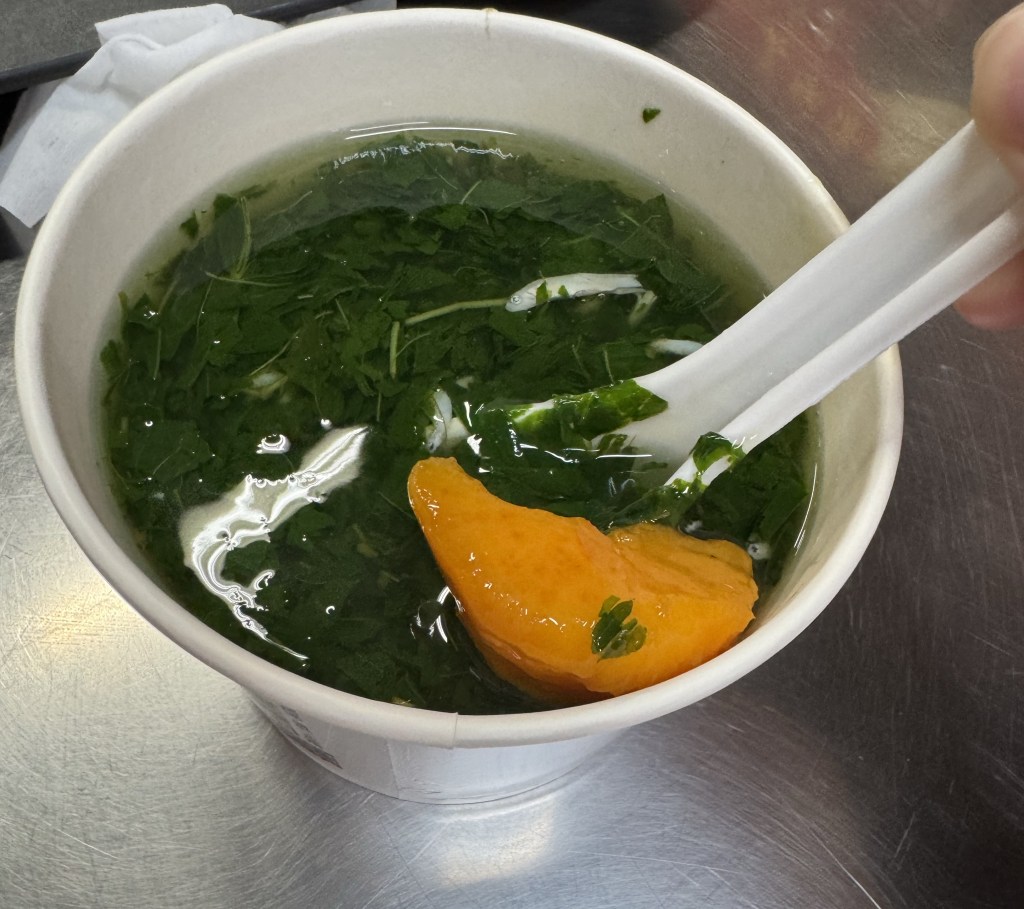
整個市場走過一遭後到山河魯肉飯吃蔴薏,沒想到都十月了還能吃到蔴薏,好久沒吃,也是記憶中的滋味,但可能入秋的關係?覺得比較苦一點。
After walking through the whole market, I stopped at Shan He Minced Pork Rice (山河魯肉飯) for some máyì (蔴薏). I was surprised to find that they were still serving it in October! I hadn’t had it in so long, and it tasted just like my memory, but maybe because autumn is setting in? It seemed a bit more bitter than usual.
去完第二市場後想到阿嬤年輕時是在第一市場做生意,而我國小時過年最期待的是阿嬤帶我和姊姊去第五市場買新衣。
Visiting the Second Market, it reminded me that my grandma used to run a business in the First Market when she was young. And in elementary school, the thing I looked forward to most during Chinese New Year was going with Grandma and my sister to the Fifth Market to buy new clothes.
想到第五市場又想到一則小時候的事件,應該是小三還是小四時,我穿著阿嬤買的新衣開開心心去學校,我還記得是黃色、紅色搭配的格子厚襯衫搭配深咖啡色的褲子。結果被班導叫去說:「這衣服是阿嬤幫你搭配的嗎?老師跟你說這樣搭配很奇怪,叫阿嬤給你換掉,不然會被同學笑。」
Thinking about the Fifth Market brought up a childhood memory. I must’ve been in third or fourth grade when I happily wore my brand-new outfit my grandma bought me to school— a yellow-and-red checkered flannel shirt paired with dark brown pants. However, my homeroom teacher called me over and said, “Did your grandma pick out this outfit for you? Tell her it doesn’t match and have her change it, or the other kids will laugh at you.”
但笑我的只有班導,其他同學根本沒有人笑我。可是當時的我卻變得不喜歡穿那套新衣了。
But the only one who laughed was the teacher—none of my classmates did. Still, I stopped liking that outfit afterward.
現在想起來覺得班導的行為真奇怪。
Thinking back now, I find the teacher’s behavior was very odd.
現在第一市場現在已經消失了,第三、第四、第五還在,第六市場已經變成在金典酒店三樓了。
Now, the First Market is gone now, but the Third, Fourth, and Fifth still exist. The Sixth Market, however, has turned into something else—it’s now located on the third floor of the Splendor Hotel.
好奇第六市場現在的模樣,和先生去一探究竟。
Curious about the Sixth Market’s current appearance, my husband and I went to check it out.
第六市場和第二市場是兩個極端,一個仍維持傳統模樣的市場,一個已經是百貨美食街的模樣了。相較之下我還是比較喜歡傳統的市場,但由衷希望第二市場可以把那些後來加上去醜醜的東西拿掉,期待之後伴隨捷運藍線的站點,第二市場能展現本來古蹟的建物應該有的面貌。
The Sixth Market and the Second Market are complete opposites: one still preserves the traditional market atmosphere, while the other has turned into something like a department store food court. Personally, I still prefer the traditional kind. But I sincerely hope the Second Market can remove all the later-added, clunky structures and, with the future MRT Blue Line station nearby, finally restore the architectural beauty that a true heritage site deserves.

 遲來的啟蒙 Start From Here Now