
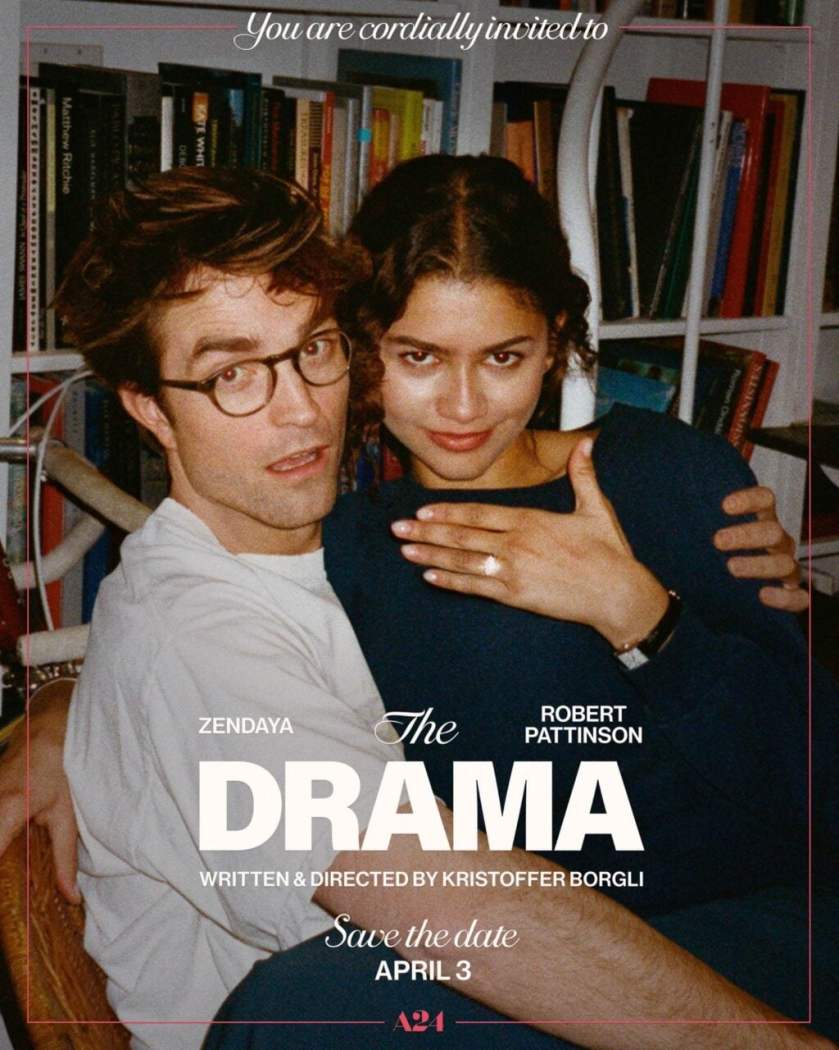
昨晚剛看完這部電影,覺得是個帶有社會議題卻不會太沉重的小品電影,我分數會打8/10。
以下觀影心得涉及劇情,建議看過電影再閱讀。
I watched this film last night, and I’d describe it as a light, small-scale movie that touches on social issues without feeling too heavy. I’d give it an 8/10.
Spoiler warning: the following contains plot details.
劇情比想像中來得溫和太多,我本來以為會是女主角真的是個心理扭曲的人,虛情假意欺騙未婚夫和友人們,最後在婚禮上拿著來福槍大開殺戒的故事。結果根本不是。
The story turned out to be far gentler than I expected. I initially thought it would be about a psychologically disturbed female protagonist who deceives her fiancé and friends, only to end up committing a mass shooting at her wedding. But that’s not the case at all.
後半劇情主要圍繞在女主角酒後說出自己曾在國中年紀時默默計畫帶槍去學校射殺人,週遭人因為得知她曾有這樣的思想和行為而做出的一連串反應。因為校園槍擊案對於臺灣人來說比較難有共鳴,所以我想像,當我聽到友人說:「我曾在15歲時計畫要在大眾運輸上無差別殺人」,我會有什麼反應?這樣比較容易推敲劇中人們的反應合不合理。
The latter half of the film revolves around the protagonist, Emma, revealing—while drunk—that she had once secretly planned a school shooting when she was in junior high. The story then explores how people around her react upon learning about her past thoughts and intentions.
Since school shootings are not something people in Taiwan easily relate to, I tried to imagine it this way: what if a friend told me, “When I was 15, I once planned to commit a random killing on public transportation”? Thinking about it like this made it easier to evaluate whether the characters’ reactions were reasonable.
首先最突兀的是要當女主角Emma婚禮伴娘的Rachel。Emma是在他們的強烈起哄、慫恿下才脫口說出根本不想提起的記憶,但Emma一說出自己曾經計畫校園槍擊案後,Rachel憤怒異常,說自己的表親就是因為校園槍擊而導致必須坐輪椅。我先生跟我都很難理解,為什麼Rachel要對根本沒有犯下校園槍擊案、跟她的表親受傷一點關係都沒有的Emma如此憤怒?
The most puzzling reaction came from Rachel, who was supposed to be Emma’s bridesmaid.
Emma only revealed this memory because she was pressured and encouraged by her friends to share something she clearly didn’t want to talk about. Yet the moment she admitted to having once planned a school shooting, Rachel became intensely angry, saying that her cousin had been paralyzed in a school shooting incident.
Both my husband and I found it hard to understand—why direct such anger at Emma, who never actually committed any crime and had nothing to do with Rachel’s cousin?
而如果Rachel真心像劇中演的,認為Emma真的是心理變態,為何要一直做刻意激怒Emma的行為?如果我真心認為朋友是心理變態,我會非常害怕惹他生氣,我會做好我該做的事情,然後漸漸和他疏遠,絕對不會像Rachel,「不願意做好本來答應的事情,甚至明明是伴娘還在婚禮前夕說不去了,然後各種過度反應的言行都在刺激Emma」。所以我本來才會期待Emma會在婚禮大開殺戒。結果根本沒有,Emma只是一直容忍週遭人的過度反應,過度對於她根本沒做過的殺人計畫做出不必要的反應。
Even more confusing: if Rachel truly believed Emma was a dangerous psychopath, why would she keep provoking her? If I genuinely thought a friend was mentally unstable, I would be extremely cautious not to anger them. I would do what I needed to do and gradually distance myself—not behave like Rachel, who refused to fulfill her responsibilities, even backing out as a bridesmaid right before the wedding, while constantly escalating tensions with exaggerated reactions.
That’s why I half expected Emma to actually snap at the wedding. But she didn’t. Instead, she simply endured the overreactions of those around her—people responding excessively to something she never actually did.
人要怎麼對自己根本沒做的事情負責?
Which leads to a fundamental question:
How can someone be held accountable for something they never did?
所以我也覺得男主角Charlie的女同事的反應也很不合理。當Charlie問女同事:「假設妳知道男友曾經在15歲時計畫犯下校園槍擊案,妳會怎麼做?」女同事竟然說:「報警」。我的天啊!跟警察說一個人曾經在多年前、青少年時,幻想要犯罪,但根本沒犯罪事實,警察能做什麼?如果可以這樣逮捕人,這法律不是太可怕了嗎?
I also found the reaction of Charlie’s coworker quite unreasonable.
When Charlie asked her, “If you found out your boyfriend had planned a school shooting at 15, what would you do?”, she answered: “Call the police.”
Seriously? What can the police do about a thought someone had years ago, as a teenager, that was never acted upon? If people could be arrested for past thoughts alone, wouldn’t that be terrifying?
青少年本就是混沌、不穩定、耐挫性差、血氣方剛的,幻想殺人這根本人之常情,會去執行的更是少之又少。人是具有改變的能動性的,今年的我和去年的我也不同,甚至今日的我和昨日的我也不同,這部片的角色們,似乎是在反對人具有改變的能動性。堅持30歲的Emma就是15歲的Emma,15歲曾經計畫過殺人,所以你就是個心理變態的30歲的人?我想這一點都不合理,也不符合真實人們的情境。
Adolescence is inherently chaotic—unstable, emotionally intense, and often lacking resilience. Violent fantasies are, to some extent, part of human nature, while actually acting on them is extremely rare.
People are capable of change. The person I am today is not the same as I was last year—or even yesterday. Yet the characters in this film seem to reject that idea, insisting that 30-year-old Emma is defined entirely by her 15-year-old self.
Is someone forever a “psychopath” just because they once had a violent thought as a teenager? That feels neither reasonable nor true to real life.
《如何無所事事》中有一段在寫人們不願意接受「轉變的事實」,這段我覺得寫得很好:
第六章 修復思想的基礎
在大型綜合社交情境中,我們很難向不同的對象展現截然不同的自我定義,因為每一名受眾都看得到很多關於我們的其他資訊。我們也無法在大型綜合社交情境中公開改變主意,也就是隨著時間而展現不同的自我。這是現今社群媒體最荒謬的其中一件事,因為改變主意是正常不過且合乎人性的事,就連大事也不例外。想想你會想跟不論什麼事情都從來不會改變心意的人交朋友嗎?因為在網路上道歉和改變主意常和軟弱畫上等號,我們若不保持緘默,就會冒上被嘲笑的風險。朋友、家人、熟人可以在空間與時間中看著一個人生活及成長,但在群眾眼中只有被期望要像品牌一樣具整體性且不受時間影響的人物。對一個品牌來說,一如公眾人物,改變、模棱兩可,自相矛盾,都是詛咒。馬克.祖克柏的名言:「 你在朋友或同事面前是一種形象,在你認識的其他人面前又有另一種形象的日子馬上就要結束了。有兩種身分就代表你誠信不足。」
This reminded me of a passage from How to Do Nothing, which discusses how people resist the idea of change:
In large, networked social environments, it’s difficult to present different versions of ourselves to different audiences, because everyone can see so much of our past. We also struggle to publicly change our minds over time. This is one of the most absurd aspects of social media, because changing one’s mind is a normal and deeply human thing—even on important matters.
Would you want to be friends with someone who never changes their mind about anything?
Online, apologies and changing one’s mind are often equated with weakness. If we speak up, we risk being ridiculed.
In real life, friends and family witness a person’s growth over time. But to the public, we are expected to remain consistent, like a brand—unchanging and unaffected by time.
For a brand, as for a public figure, change, ambiguity, and contradiction are seen as flaws. As Mark Zuckerberg once said: “Having two identities for yourself is an example of a lack of integrity.”
有很多原因會導致人想殺人;同樣也有很多原因會導致人選擇不殺人。
There are many reasons why someone might want to kill. And just as many reasons why they ultimately choose not to.
Emma在計畫殺人的同時,別的地區發生了校園槍擊案,且死者中有同校的同學。同學們都很悲傷,Emma在校園療癒活動時也痛哭失聲。因為Emma在計畫殺人時只想到「加害者方看來很『帥氣、痛快』」,她從來沒想過「受害者方的情境」,當她真的看到週遭人們因為槍擊案而傷心、擔心時,她才真正意識到這樣的行為會帶來的影響。
While Emma was making her plan, a real school shooting occurred elsewhere, and one of the victims was from her own school. During a school memorial event, Emma broke down in tears. Until then, she had only imagined the “perpetrator’s perspective”—how it might feel powerful or satisfying. She had never considered the victims.
It was only after witnessing the grief and fear of those around her that she truly understood the consequences of such violence.
而同學們得知她對於槍擊案有相關的知識,希望邀請她參與社運來抵制槍械持有,這也是讓她從邊緣的人物變成具有貢獻、懂得合作的人物。這相當符合阿德勒說的,擁有社會情懷、社會興趣,具有合作能力的人,便不會成為犯罪者,因為他們會把精力放在對社會有意義的事物上,而不是對於生命毫無意義的事物上。
Later, when her classmates learned she had knowledge about shootings, they invited her to participate in activism against gun violence. This transformed her from an isolated individual into someone who contributes to society and learns to cooperate with others.
This aligns closely with the ideas of Alfred Adler: those who develop social interest and a sense of cooperation are less likely to become criminals, because they channel their energy into meaningful contributions rather than destructive impulses.
《自卑與超越》
第一章 生命的意義
社群情懷
所有失敗者——神經質患者、罪犯、酗酒者、問題少年、自殺者、墮落者、娼妓——之所以失敗,是因為他們在面對工作、友誼和兩性這三個問題時,從不尋求幫助,對於社會缺乏興趣和同情心。在他們眼中,生命的意義是屬於一種個人的私我意義,沒有人能從其他人身上獲益,所以靠人不如靠己。他們從自己認為的成功或成就體會到的,其實是自欺欺人的優越感。這種個人優越感只對他自己有價值,不是建立在對他人貢獻的基礎上,那麼必定步入歧途。
第九章 犯罪及預防
罪犯類型
在形形色色的罪犯中、在各種失敗者中,最大的共同特徵就是缺乏合作、缺乏對別人以及人類幸福的興趣,要使罪犯有所改變,就需要使他具備合作能力。
罪犯可以區分為兩種,
其中一種:知道世界上存在同情心,卻從未體驗過同情心的人,這樣的罪犯對所有人都抱有敵意,認為自己受到排斥、無人認可。
From What Life Could Mean to You by Alfred Adler
Chapter 1: The Meaning of Life — Social Interest
All failures—neurotics, criminals, alcoholics, delinquent youths, suicides, and the fallen—fail for the same reason: when faced with the three fundamental tasks of life—work, friendship, and love—they never seek help, and they lack interest in and sympathy for others.
In their eyes, the meaning of life becomes purely private. They do not believe in benefiting from others, nor in cooperation, and instead rely only on themselves. What they perceive as success or achievement is, in reality, a self-deceptive sense of superiority. This kind of personal superiority has value only to the individual himself; if it is not grounded in contribution to others, it will inevitably lead him astray.
Chapter 9: Crime and Its Prevention — Types of Criminals
Among all kinds of criminals and failures, the most common trait is a lack of cooperation and a lack of concern for others and for the welfare of humanity. To bring about change in a criminal, one must first cultivate their capacity for cooperation.
Criminals may be divided into different types. One type is the person who knows that sympathy exists in the world, yet has never experienced it personally. Such individuals tend to be hostile toward others, believing themselves to be rejected and unrecognized.
再來我也覺得Charlie很荒謬。你這麼喜歡Emma,怎麼會在知道Emma曾經計畫殺人就慌亂得手足無措?你們的愛的基礎如此薄弱嗎?如果我知道我心愛的人曾經有過這樣的計畫,我不會疏遠、不會恐懼,我只會想問:「導致你會想去殺人的原因是什麼?」、「而又是什麼導致你沒有去執行殺人計畫?」問完我或許會說:「我很開心你度過了難關,而且沒有做出現在的你會後悔莫及的事情」。
Finally, I found Charlie himself quite absurd. If he truly loved Emma, why did he become so shaken upon learning about her past? Was their relationship really that fragile?
If I learned that someone I deeply loved had once had such thoughts, I wouldn’t distance myself or feel afraid. I would ask:
“What made you want to do it?”
“And what stopped you from going through with it?”
After hearing the answers, I might say:
“I’m glad you got through that—and that you didn’t do something you would regret for the rest of your life.”
Charlie也有問Emma,但他聽到了Emma的說法,卻又不相信Emma。嘴上說愛著Emma,內心卻惴惴不安,到底是害怕Emma會殺他?還是害怕什麼?我真的搞不懂。
Charlie did ask Emma—but even after hearing her explanation, he still didn’t trust her. He claims to love her, yet remains uneasy. What exactly is he afraid of? That she might kill him? Or something else? I genuinely don’t understand.
如果Charlie真的害怕,為什麼還要堅持繼續結婚的程序呢?如果真的害怕,為什麼卻在婚禮搞成一塌糊塗時,又怕Emma離開自己?
If Charlie was truly afraid, why did he insist on moving forward with the wedding? And if fear was really what drove him, then why, when the wedding collapsed into chaos, did he fear losing Emma instead?
Charlie是最關鍵的,如果不管別人怎麼說,他都挺Emma,也不會發生一連串荒謬的事情。
Charlie is the key figure here. If he had simply stood by Emma regardless of what others said, none of this chaos would have unfolded.
觀看完這部片還讓我有一個體會,就是對於並非事實、只有疑慮的事情過度反應,帶來的只會是混亂,而不是真理。
One thing this film made me realize is this:
Overreacting to uncertainty—treating suspicion as fact—only creates chaos, not truth.
Emma被認為是「心理變態」,但她是從頭到尾我認為最溫柔的角色,忍受週遭人的閒言閒語,甚至心愛的未婚夫都對自己抱持疑慮,但她卻還是一次又一次給Charlie機會。
Emma is labeled a “psychopath,” yet to me, she is the gentlest character in the entire film. She endures gossip, judgment, and even doubt from the man she loves, yet continues to give Charlie chance after chance.
對於這樣懦弱、怕事、自亂陣腳的Charlie,若是我,我會想要離他而去吧。
As for someone like Charlie—weak, fearful, and easily shaken—if it were me, I would have left him.
觀影後我也跟先生聊到青少年時期的暴戾之氣。我們都一樣,都曾經在腦中浮現許多暴力的想法,這就是人之常情吧。社會的網絡讓我們的暴戾之氣漸漸淡化了。我們也和Emma一樣好好長成一個「社會人」了。
After the film, my husband and I talked about the violent thoughts we had during adolescence. We realized we were the same—we had both experienced such thoughts at some point. Perhaps that’s simply part of being human.
Over time, social connections soften that aggression. And like Emma, we grew into functioning members of society.

 遲來的啟蒙 Start From Here Now