
發表於 Delving into Happiness

探聽幸福——關於阿嬤的小故事12

阿嬤的幸福之一是喝熱湯,絕對滾燙的熱湯。湯一定是大滾後關火馬上端上桌的熱度,如果在吃飯期間溫度下降了,阿嬤就會馬上再去加熱,明明那個溫度對一般人來說已經夠燙了,但對阿嬤來說不是滾燙的熱度就是「涼掉了」,「涼掉就不好喝了」。

One of Grandma’s ideas of happiness is drinking hot soup—absolutely boiling hot soup. The soup must be brought to a full boil, the heat turned off, and served immediately. If its temperature drops even slightly during the meal, Grandma will reheat it at once. To most people, the soup would already be scalding, but to Grandma, anything less than boiling means it has “gone cold.” “Cold soup doesn’t taste good,” she says.

從小和阿嬤生活在一起,不知不覺我也習慣那樣滾燙的湯,甚至在外頭店家喝到非滾燙的湯都覺得不好喝、去別人家喝到接近常溫的湯會感到「噁心」。

I grew up living with Grandma, and without realizing it, I became accustomed to soup that hot. Even now, when I drink soup that isn’t boiling hot at restaurants, I find it tasteless. If I’m served soup that’s close to room temperature at someone else’s home, I even feel a sense of disgust.

婚後不知多久的時間,我從一個會嫌棄湯不夠熱、無湯不歡的人,變成湯不那麼熱也行、甚至沒有喝湯也不會難過的人了。

Somewhere after getting married, I changed. I went from being someone who complained when soup wasn’t hot enough—someone who couldn’t bear a meal without soup—to someone who doesn’t mind lukewarm soup, or even no soup at all.

結婚後搬出阿嬤家,沒有阿嬤每天一大碗公、兩大碗公的燙湯訓練,我的喉嚨、舌頭已經變得不能喝太燙的湯了。雖然我感到遺憾,但先生終於放心我不會再增加得食道癌的風險了。

After marriage, I moved out of Grandma’s house. Without her daily “training” of one or two big bowls of scalding soup, my throat and tongue gradually lost the ability to tolerate such heat. Although I feel a bit regretful about it, my husband is finally relieved—at least now I’m no longer increasing my risk of esophageal cancer.

變成對湯的溫度不要求的風格後,現在去探望阿嬤,覺得還是希望我喝燙湯的阿嬤真是有怪癖呢。明明說了那樣的溫度可以卻還是堅持加熱;一碗是溫度較下降的湯、一碗是滾燙的湯,明明說了想喝溫度較低的湯,阿嬤還是堅持要我喝滾燙的湯。

Now that I no longer insist on soup being piping hot, visiting Grandma makes me realize just how peculiar her persistence is. She still wants me to drink hot soup. Even after I say the temperature is fine, she insists on reheating it. One bowl is lukewarm, the other boiling hot. Even when I say I want the cooler one, Grandma insists that I drink the boiling one.

雖然有點困擾,但有個這麼用心、全心全意只想準備好食物餵飽你的親人存在,真的是件幸福的事情。除了阿嬤再不會有人這麼關心自己「吃飽了嗎?」

It can be a little troublesome. But having someone who cares so deeply—someone who puts all their heart into preparing food just to make sure you’re full—is truly a form of happiness. Other than Grandma, no one cares so persistently about whether I’ve “eaten enough.”

常覺得阿嬤是NPC,總是來回在客廳和廚房之間,講話的內容9成跟吃有關,從前會希望能和阿嬤有食物以外的話題,但現在已經能從食物感受到阿嬤的關心和溫暖了。

I often think of Grandma as an NPC, endlessly walking back and forth between the living room and the kitchen, with ninety percent of her dialogue revolving around food. I used to wish we could talk about things beyond meals. But now, I’ve learned to feel her care and warmth through food itself.
發表於 Daily LifeFood and Drink

市場 The Markets

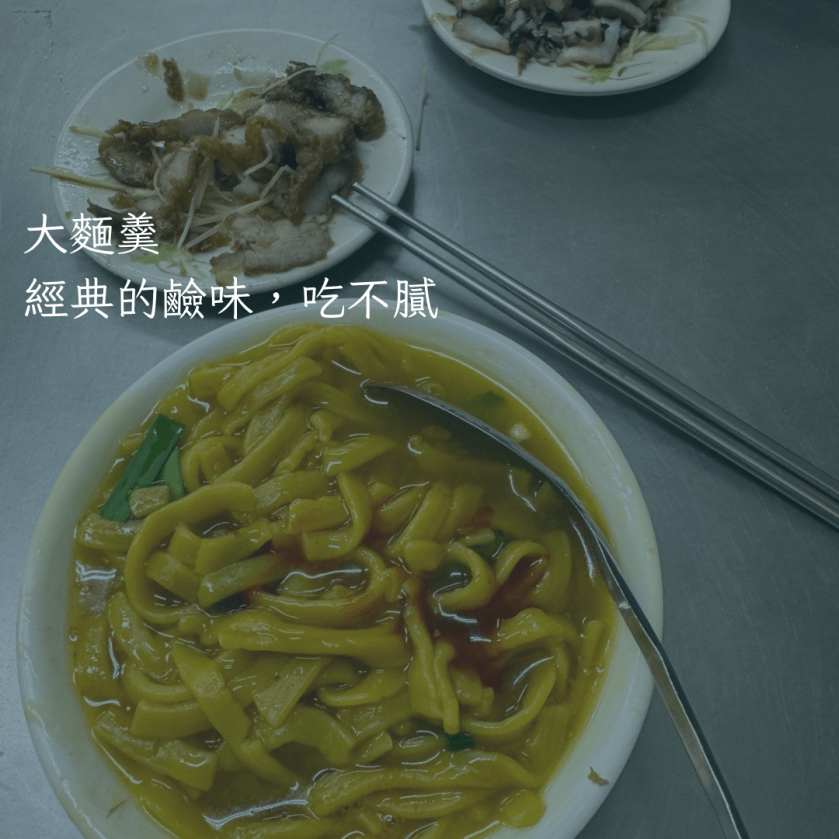
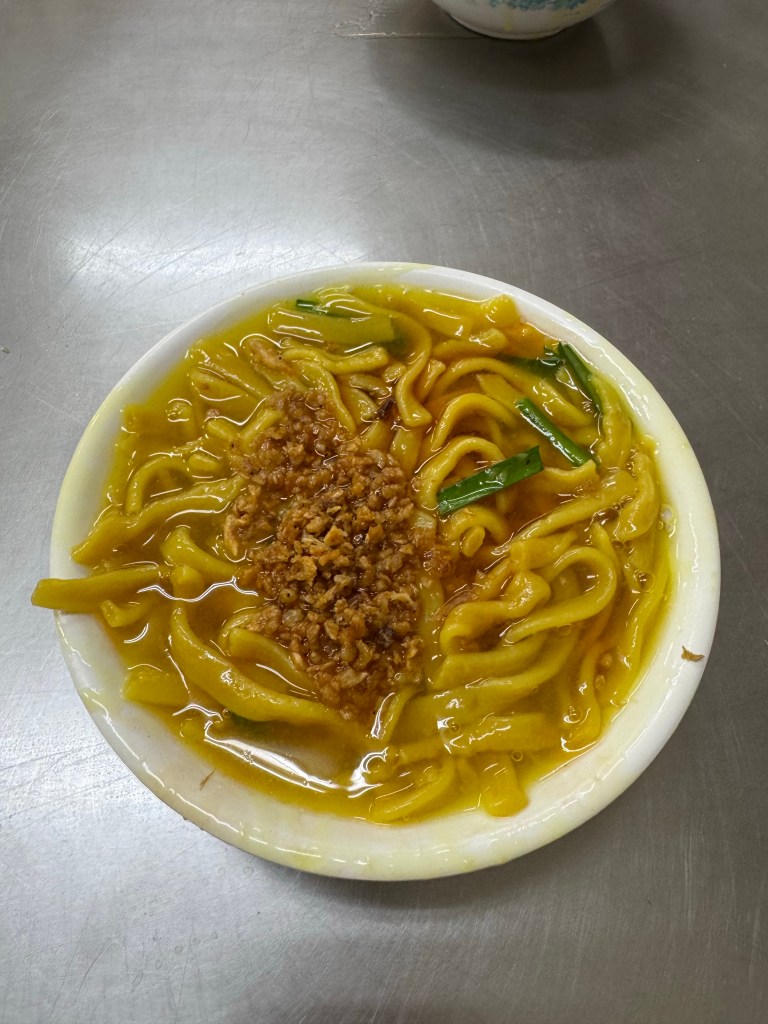
中秋連假特地去吃好久沒吃的台中大麵羮,小時候都是阿嬤買回家吃,以前不覺得稀奇,出社會後偶爾會想起那個獨特的味道,就會特地跑去吃,而且一定要是這一家!

During the Mid-Autumn Festival holiday, I made a special trip to have Taichung Dàmiàngēng (Taichung-style savory soup noodles), which I hadn’t eaten in a long time. When I was little, my grandma always bought it home for us. Back then, it didn’t feel like anything special, but after I started working, I’d occasionally remember that unique taste and make a special trip to get it—and it absolutely had to be from this particular shop!

雖然價格變貴了,小菜好像也縮水了,但味道還是跟我小時候吃到的一樣,感動!

Even though the price is higher now, and the side dishes seem a bit smaller, the flavor remains exactly as I remember from childhood—touchingly familiar!

台中大麵羹

https://maps.app.goo.gl/gqAWyBxYAXE3jGkLA?g_st=ic

繼續閱讀 “市場 The Markets"
發表於 Food and DrinkTravel

三天兩夜小旅行 嘉義-台南+高雄

嘉義

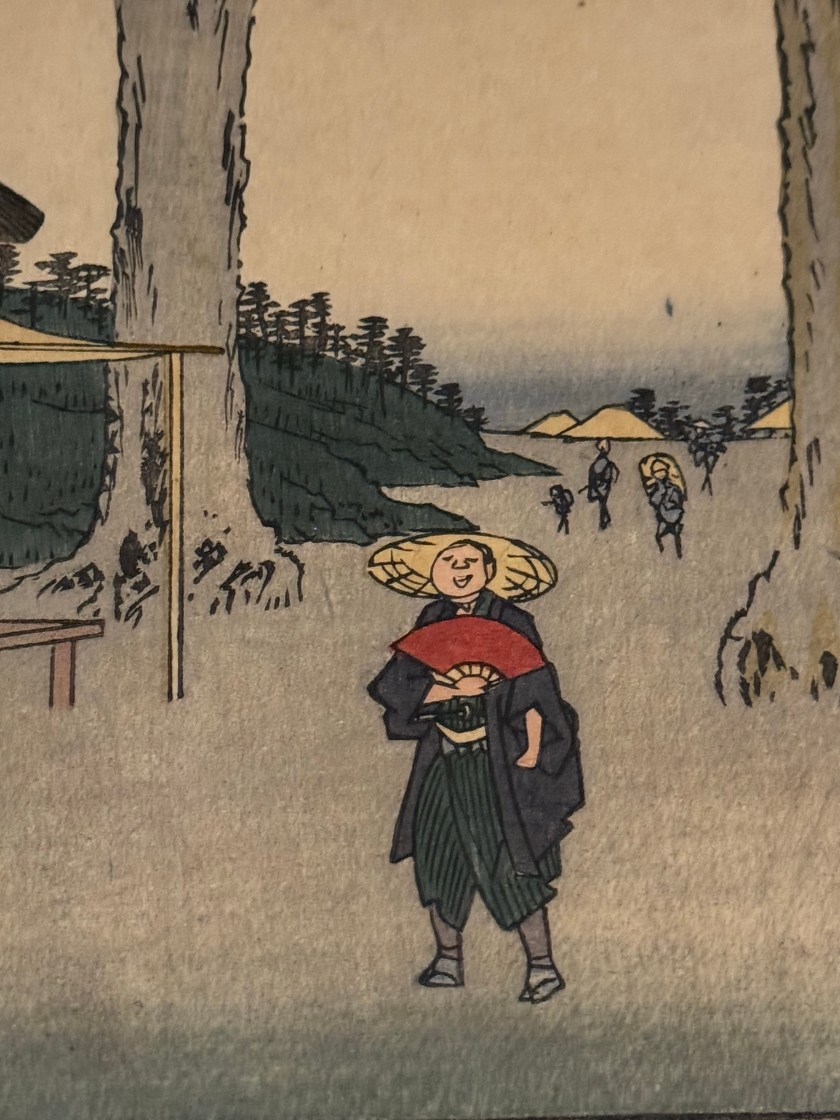
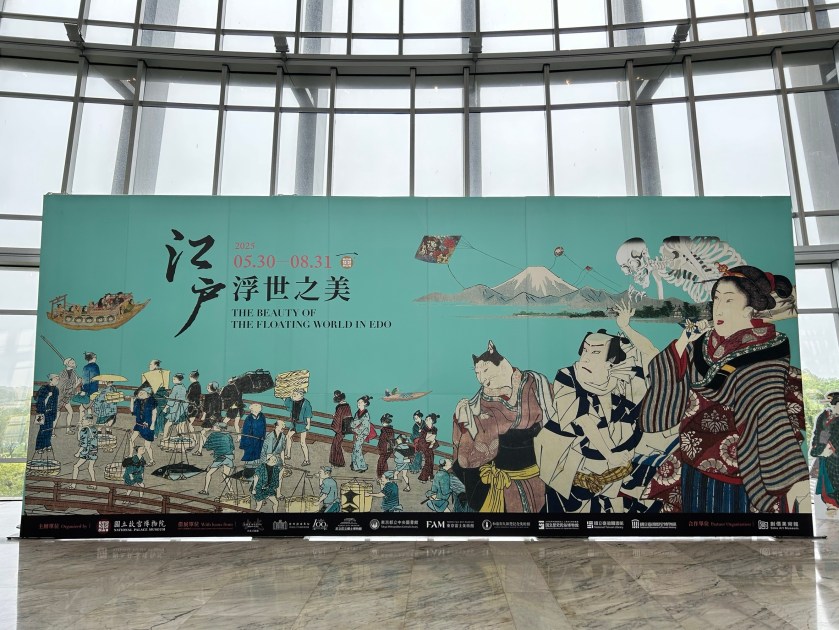
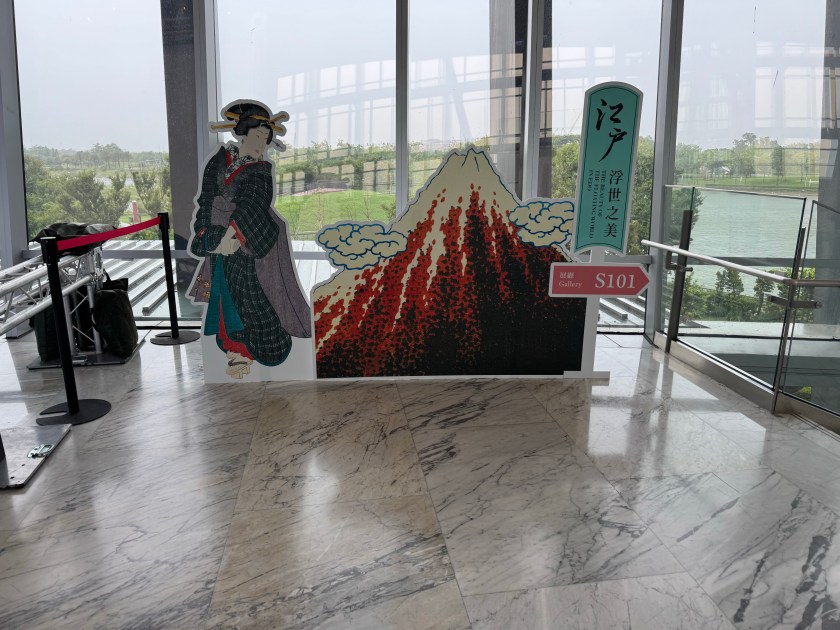
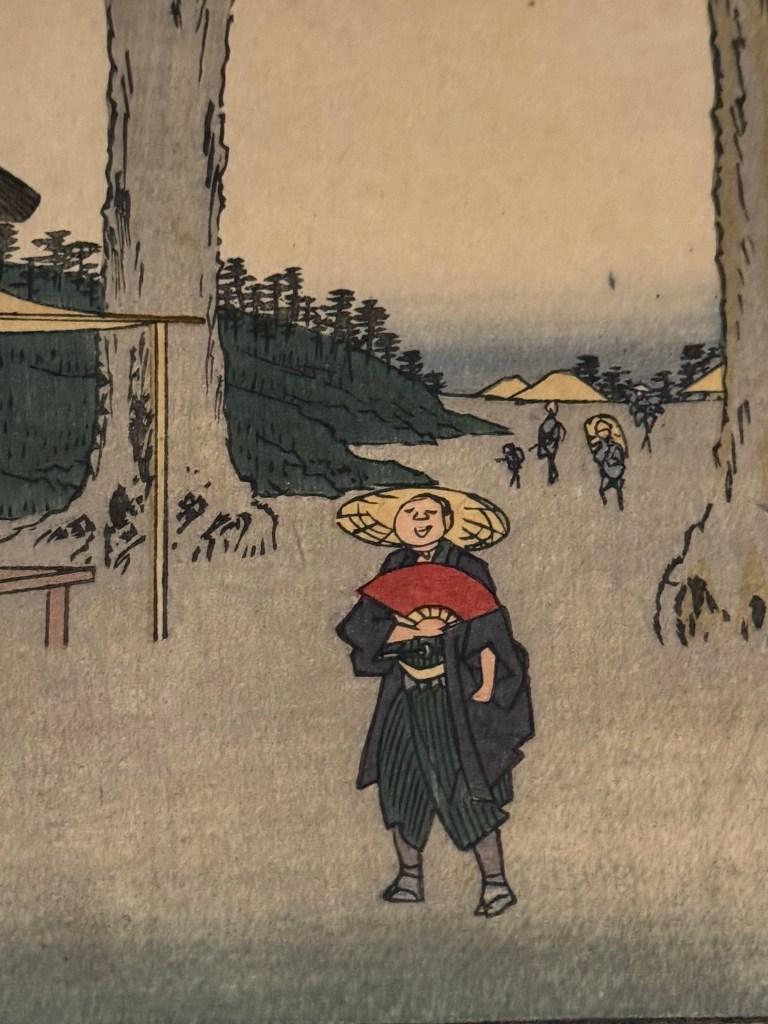
為了看浮世繪的展覽,6月13日一早啟程前往故宮南院,因為熱帶性低氣壓的關係,一早就開始下大雨,至故宮南院時雨勢依然沒有變小。從停車場一路撐著傘抵著風雨,狼狽地穿過湖上橋走到展覽館,褲子都濕了。要渡橋再到展區的規劃是立意良善,但完全沒考量雨天時訪客會遭遇的情形,讓我對南故宮留下很糟的印象啊。希望下次天氣晴朗時再去參觀,洗刷現在在我腦中停留的印象。

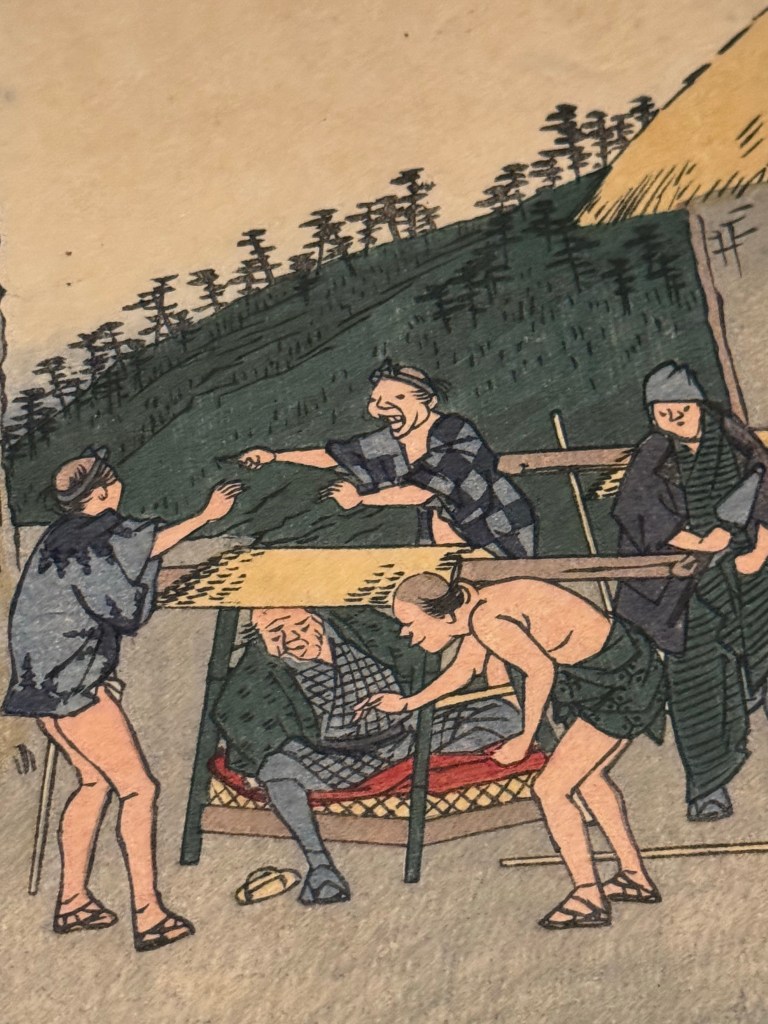
對於浮世繪沒什麼概念,只覺得圖畫得很可愛,喜歡畫中描繪的庶民生活。

以往習慣有規劃參觀動線的展覽,在故宮南院的這場浮世繪展並沒有參觀動線,讓民眾自由走動參觀,讓我有點不知所措。

繼續閱讀 “三天兩夜小旅行 嘉義-台南+高雄"
發表於 Daily Life

青春期 Adolescence

近期迷上一直以來都好奇卻打不起精神研究的《紅樓夢》。

Lately, I’ve become fascinated by Dream of the Red Chamber—a book I’ve always been curious about but never had the energy to really dive into.

但用閱讀的方式對我來說還是有難度,尤其文中牽涉到古典詩詞的部分,很難領略。於是找了蔣勳細說紅樓夢的音檔,邊聽邊讀,聽已把紅樓夢翻來覆去幾百回的人分析文中的人物趣味,總算能體會到《紅樓夢》之所以為經典之價值所在。

Reading it on its own is still quite challenging for me, especially the parts involving classical poetry, which are hard to fully appreciate. So I found audio recordings of Chiang Hsun’s commentary on the novel and began listening while reading along. Hearing someone who has pored over Dream of the Red Chamber hundreds of times analyze the characters with such insight finally helped me understand why this novel is considered a timeless classic.

目前正聽讀完第九回 〈戀風流情友入家塾 起嫌疑頑童鬧學堂〉,這回是在講寶玉和秦鍾至義學堂讀書時的故事。這回充滿了代表青春期的各種混亂心境與行為,作者對於青春期的描寫真的非常深刻,即使隔了230多年,現代人仍能對裡頭人物產生共鳴,真是了不得。

Right now, I’ve just finished reading and listening to Chapter 9, “Qin Zhong Studies at the Jia School and Baoyu Gives Way to Adolescent Passions.” It recounts Baoyu and Qin Zhong’s experience studying at the family school. The entire chapter is full of the confused emotions and impulsive behaviors that define adolescence. The author’s depiction of this stage of life is incredibly nuanced. Even though it was written over 230 years ago, the characters still resonate deeply with modern readers—which is remarkable.

繼續閱讀 “青春期 Adolescence"
發表於 Daily Life

意外的收獲 Unexpected Gains

最近正在讀《印尼etc.:眾神遺落的珍珠》,於是當老闆聊到受殖民的國家時,馬上現學現賣,我提到印尼在二戰結束宣布獨立之前,一直受荷蘭殖民。荷蘭東印度公司、荷蘭政府統治殖民印尼長達340餘年。另外印尼是萬島之國,國土擁有17000餘座的島嶼,但6成的人口居住在爪哇。

Lately, I’ve been reading Indonesia Etc.: Exploring the Improbable Nation. So when my boss brought up countries that had been colonized, I was able to put what I’d just learned into use—I mentioned that Indonesia had been under Dutch colonial rule until it declared independence after World War II. The Dutch East India Company and later the Dutch government ruled Indonesia for over 340 years. Also, Indonesia is a nation of islands, with more than 17,000 islands, though 60% of its population lives on Java.

繼續閱讀 “意外的收獲 Unexpected Gains"