發表於 Some Thoughts

不如願 Not as One Wishes

仔細想想人生走到如今不得不相信「機運」這回事。

Looking back carefully, I can’t help but believe in the notion of “fortune and timing.”

身邊的長輩們當日也都沒料到日子會發展成今日的樣子,也都說「時運吧」。

The elders around me never imagined that life would unfold the way it has, and they often say, “It’s just the way luck goes.”

看到不得志的人才能明明較那些凡人高,卻總尋不得自己的天地。而我這般貨色竟也還成個樣子,也不禁覺得「機運好吧」。

I’ve seen people of real talent—clearly far above the average—yet they never manage to find their rightful place in the world. Meanwhile, someone as ordinary as I am somehow still manages to stay afloat. It’s hard not to think, “I must’ve just had good fortune.”

最近因為腦子有了空檔於是胡思亂想尋煩惱,思來想去還是沒個方向,於是想到手邊正在讀的《傷別離》和《紅樓夢》。

Lately, with my mind idling a bit, I’ve begun overthinking again, inventing new worries. I keep turning things over in my head but still can’t find any direction. Eventually, my thoughts returned to the books I’ve been reading—Shang Bieli and Dream of the Red Chamber.

那些一代宗師般的文人,一生治學,也沒曾想過人生的末路是如此不堪吧。

Those masterful writers, who devoted their lives to scholarship, probably never imagined their own lives would end in such desolation.

《紅樓夢》第92回

馮紫英道:「人世的榮枯,仕途的得失,總屬難定。」

In Dream of the Red Chamber, Chapter 92, Feng Ziying says:

“The rise and fall of life, the gains and losses of officialdom—these things are always uncertain.”

這麼一解套又寬心了不少,但也是一喜一憂。喜的是職場上那些紛擾煩惡的人事物終會離去;憂的是身邊這些喜愛的人事物總有一天也都要離去。

That line brought me some relief. And yet, it’s bittersweet. I’m comforted knowing the chaos and unpleasant people at work will eventually be gone. But I also dread that the people and things I cherish will one day disappear too.

人生從不如願啊。

Life never unfolds the way one hopes.
發表於 Food and DrinkTravel

三天兩夜小旅行 嘉義-台南+高雄

嘉義

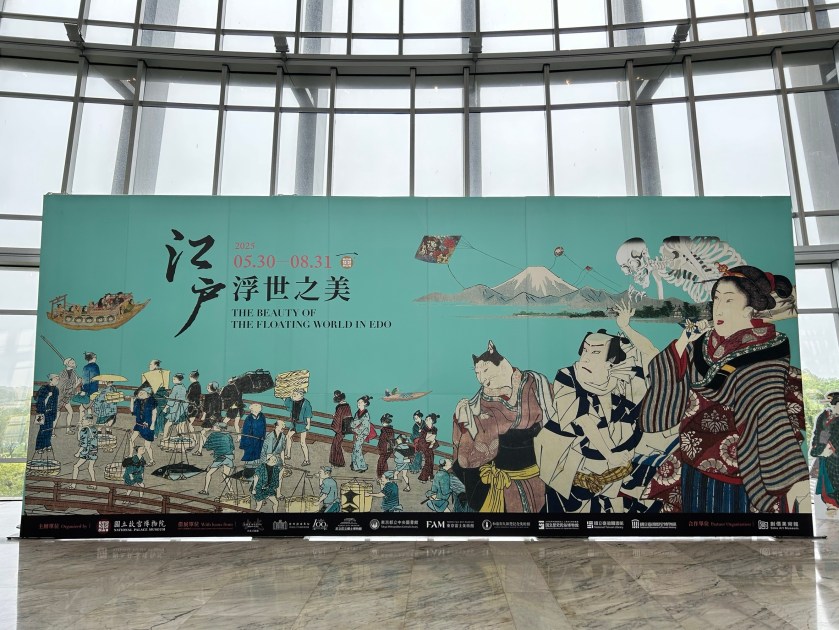
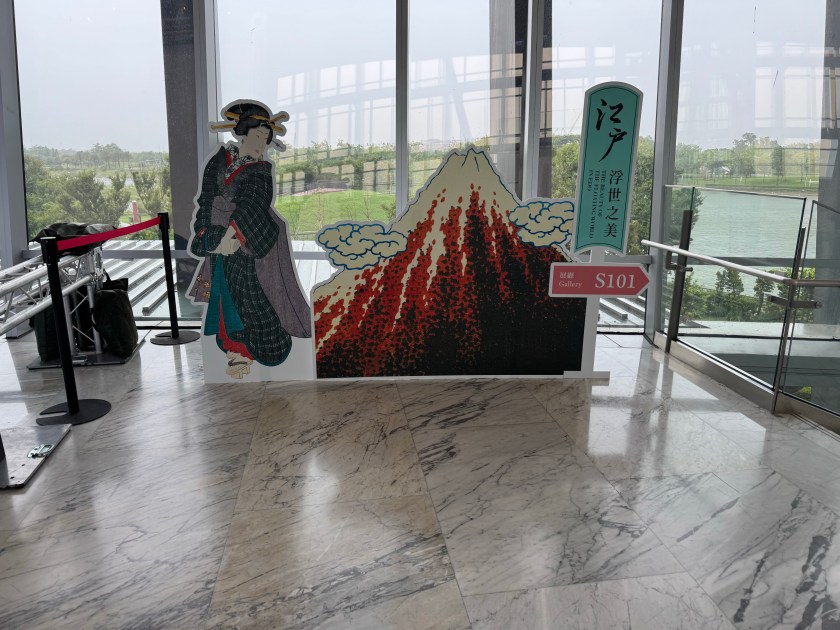
為了看浮世繪的展覽,6月13日一早啟程前往故宮南院,因為熱帶性低氣壓的關係,一早就開始下大雨,至故宮南院時雨勢依然沒有變小。從停車場一路撐著傘抵著風雨,狼狽地穿過湖上橋走到展覽館,褲子都濕了。要渡橋再到展區的規劃是立意良善,但完全沒考量雨天時訪客會遭遇的情形,讓我對南故宮留下很糟的印象啊。希望下次天氣晴朗時再去參觀,洗刷現在在我腦中停留的印象。

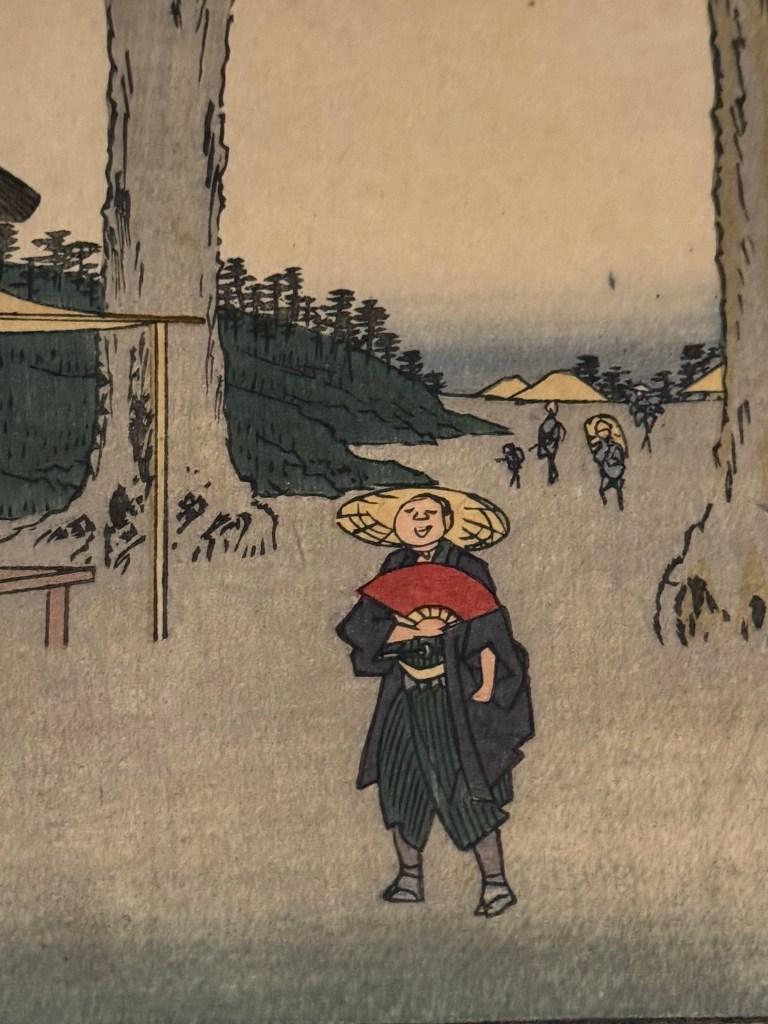
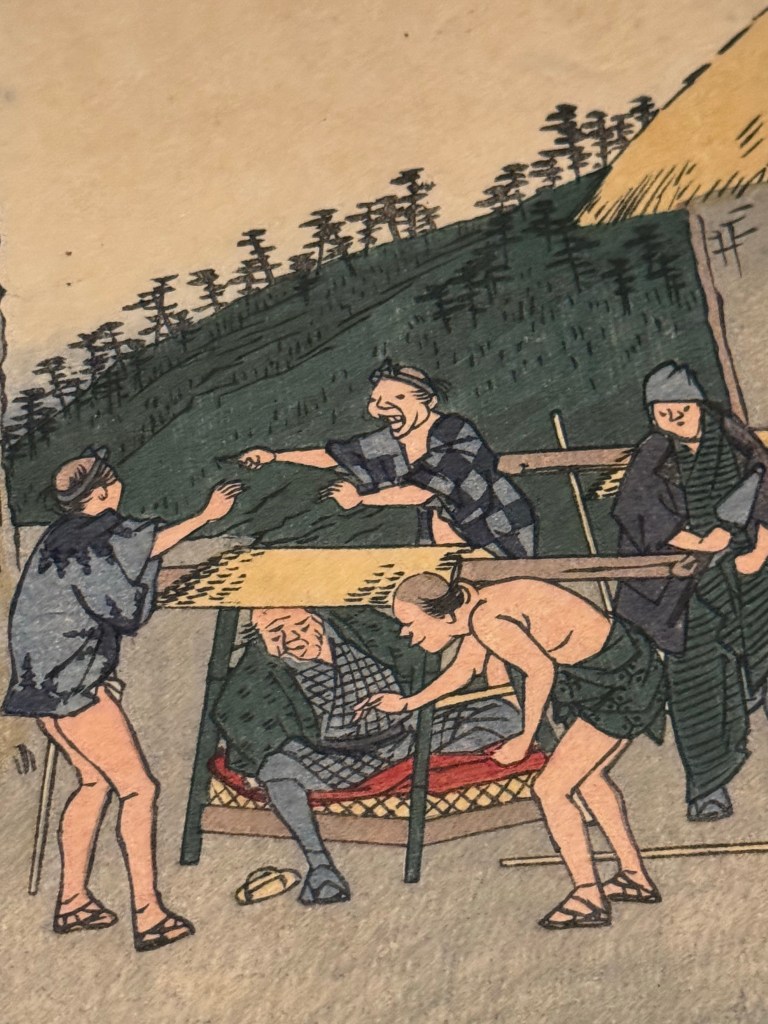
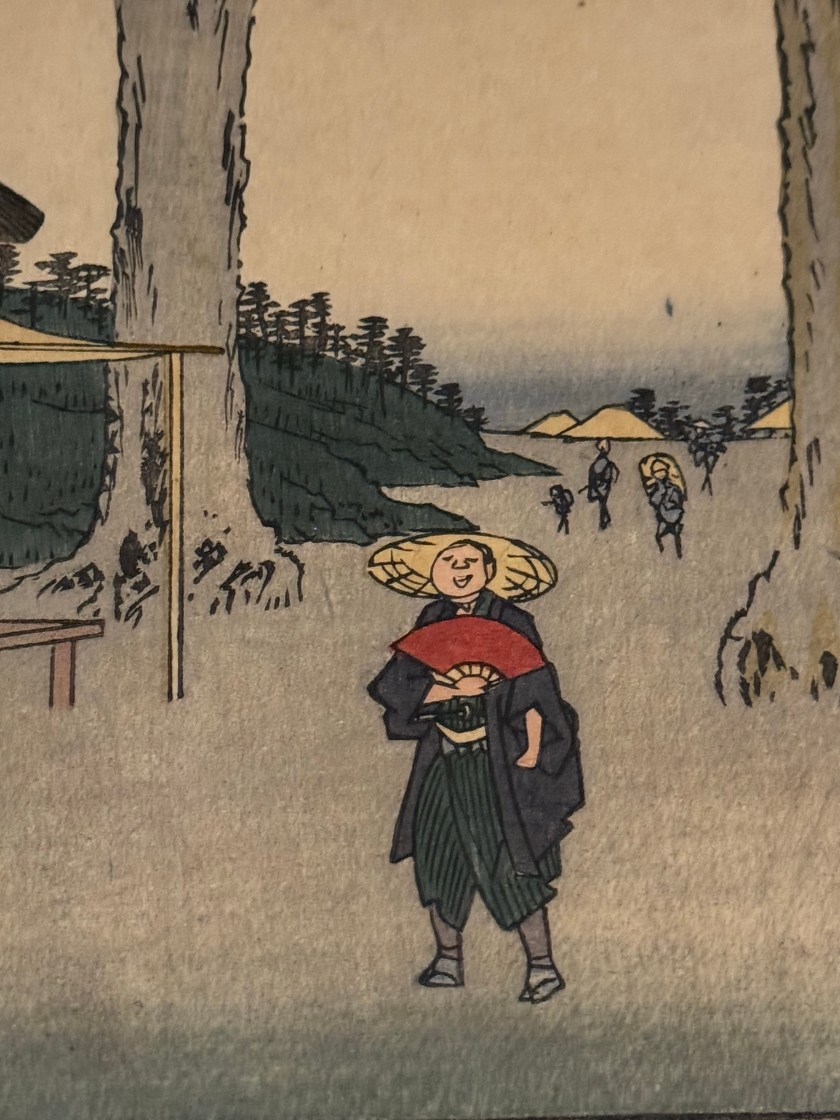
對於浮世繪沒什麼概念,只覺得圖畫得很可愛,喜歡畫中描繪的庶民生活。

以往習慣有規劃參觀動線的展覽,在故宮南院的這場浮世繪展並沒有參觀動線,讓民眾自由走動參觀,讓我有點不知所措。

繼續閱讀 “三天兩夜小旅行 嘉義-台南+高雄"
發表於 Some Thoughts

一世紀的夢 A Century’s Dream

認清本質,於是不會抱持崇高理想而處處看見不順心的事物而氣惱。

To recognize the essence of things is to stop clinging to lofty ideals—and thus avoid constant frustration when the world fails to align with them.

近年讀了些書,視野廣了點,膽子也大了點,和長輩雜談時還算能表達些許立場。常和長輩聊著聊著就又繞著同樣的議題打轉,因近期剛好有所感,於是就說了「到如今才大夢初醒,這國家早在一世紀前結束了,我們是遺民呀」。長輩笑笑,我再說「這麼想才終於解脫了。」

In recent years, I’ve read a few books. My perspective has widened a little, and I’ve grown bolder. These days, I can more or less articulate my stance when conversing with elders. Often, our chats circle back to familiar topics. Recently, prompted by a passing thought, I said, “Only now have I awakened from a long dream. This nation, in truth, ended a century ago—we’re but remnants.” My elder smiled faintly. I added, “It’s only by thinking this way that I finally feel free.”

雖說是遺民也怪,畢竟從沒有集體認同的一統對象,我們自古有的便是當地的認同感,和一大國無關。但說是遺民我才終於能將有所圖的意識摒除在我身之外,那些爭論原來都只是虛幻的泡沫,只是在魘裡說夢話的人們喋喋不休、不肯睜眼。

It may sound strange to call ourselves “remnants,” for we never truly had a unified object of collective identity. What we’ve always held is a sense of belonging to this local place—never to a grand nation. But in calling myself a remnant, I finally cast off any lingering ambitions for what could be. The endless debates—turns out they were just illusions, frothy bubbles of dreams muttered by those still trapped in a nightmare, refusing to open their eyes.

這塊土地上長不出理想的果實,有的只是順勢而生之民。

This land bears no fruit of ideals. Only people who learn to live by following the currents.

發表於 Daily Life

青春期 Adolescence

近期迷上一直以來都好奇卻打不起精神研究的《紅樓夢》。

Lately, I’ve become fascinated by Dream of the Red Chamber—a book I’ve always been curious about but never had the energy to really dive into.

但用閱讀的方式對我來說還是有難度,尤其文中牽涉到古典詩詞的部分,很難領略。於是找了蔣勳細說紅樓夢的音檔,邊聽邊讀,聽已把紅樓夢翻來覆去幾百回的人分析文中的人物趣味,總算能體會到《紅樓夢》之所以為經典之價值所在。

Reading it on its own is still quite challenging for me, especially the parts involving classical poetry, which are hard to fully appreciate. So I found audio recordings of Chiang Hsun’s commentary on the novel and began listening while reading along. Hearing someone who has pored over Dream of the Red Chamber hundreds of times analyze the characters with such insight finally helped me understand why this novel is considered a timeless classic.

目前正聽讀完第九回 〈戀風流情友入家塾 起嫌疑頑童鬧學堂〉,這回是在講寶玉和秦鍾至義學堂讀書時的故事。這回充滿了代表青春期的各種混亂心境與行為,作者對於青春期的描寫真的非常深刻,即使隔了230多年,現代人仍能對裡頭人物產生共鳴,真是了不得。

Right now, I’ve just finished reading and listening to Chapter 9, “Qin Zhong Studies at the Jia School and Baoyu Gives Way to Adolescent Passions.” It recounts Baoyu and Qin Zhong’s experience studying at the family school. The entire chapter is full of the confused emotions and impulsive behaviors that define adolescence. The author’s depiction of this stage of life is incredibly nuanced. Even though it was written over 230 years ago, the characters still resonate deeply with modern readers—which is remarkable.

繼續閱讀 “青春期 Adolescence"
發表於 Daily Life

意外的收獲 Unexpected Gains

最近正在讀《印尼etc.:眾神遺落的珍珠》,於是當老闆聊到受殖民的國家時,馬上現學現賣,我提到印尼在二戰結束宣布獨立之前,一直受荷蘭殖民。荷蘭東印度公司、荷蘭政府統治殖民印尼長達340餘年。另外印尼是萬島之國,國土擁有17000餘座的島嶼,但6成的人口居住在爪哇。

Lately, I’ve been reading Indonesia Etc.: Exploring the Improbable Nation. So when my boss brought up countries that had been colonized, I was able to put what I’d just learned into use—I mentioned that Indonesia had been under Dutch colonial rule until it declared independence after World War II. The Dutch East India Company and later the Dutch government ruled Indonesia for over 340 years. Also, Indonesia is a nation of islands, with more than 17,000 islands, though 60% of its population lives on Java.

繼續閱讀 “意外的收獲 Unexpected Gains"